CNC Machining vs. Laser CNC: Key Differences, Benefits, and When to Use Each
If you’re sourcing precision parts, you’ve likely encountered both CNC machining and laser CNC cutting. While both use computer-controlled precision, they are very different manufacturing processes with distinct strengths.Choosing the correct process affects part performance, cost, lead time, and manufacturability. Understanding these differences upfront helps avoid redesigns and unnecessary expense. This guide explains how CNC machining and laser CNC differ—and how to determine which process is right for your project.
What Is CNC Machining?
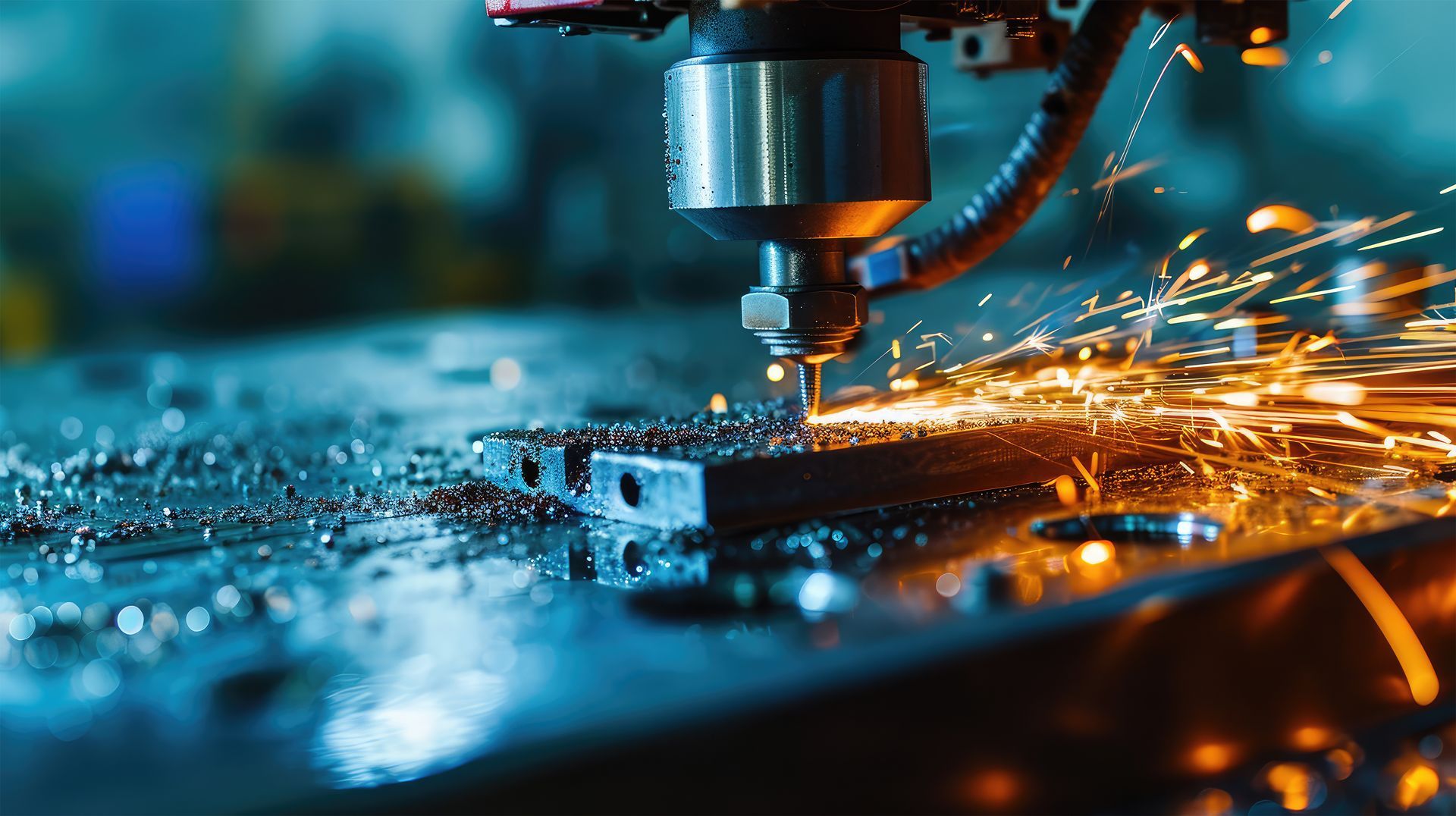
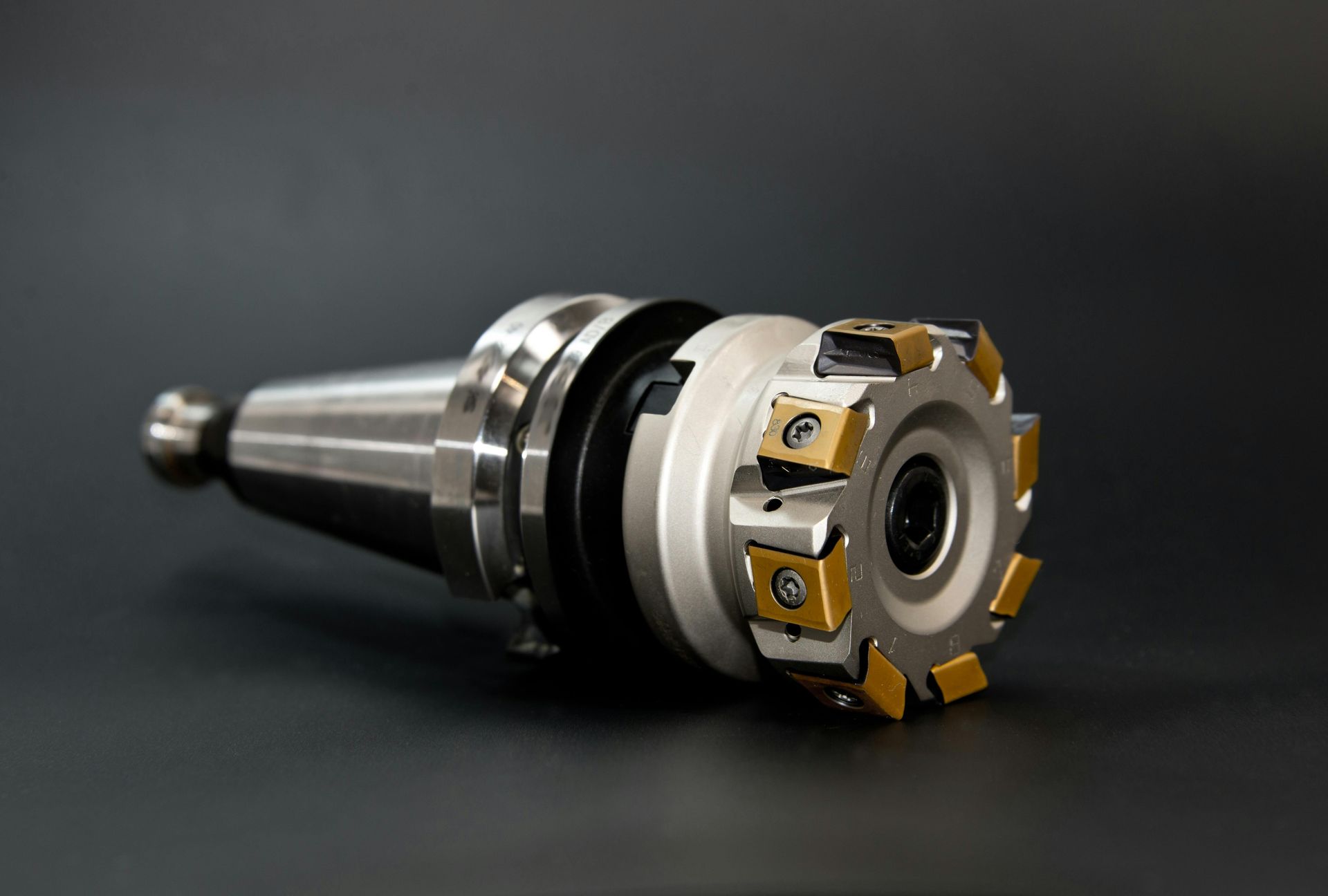
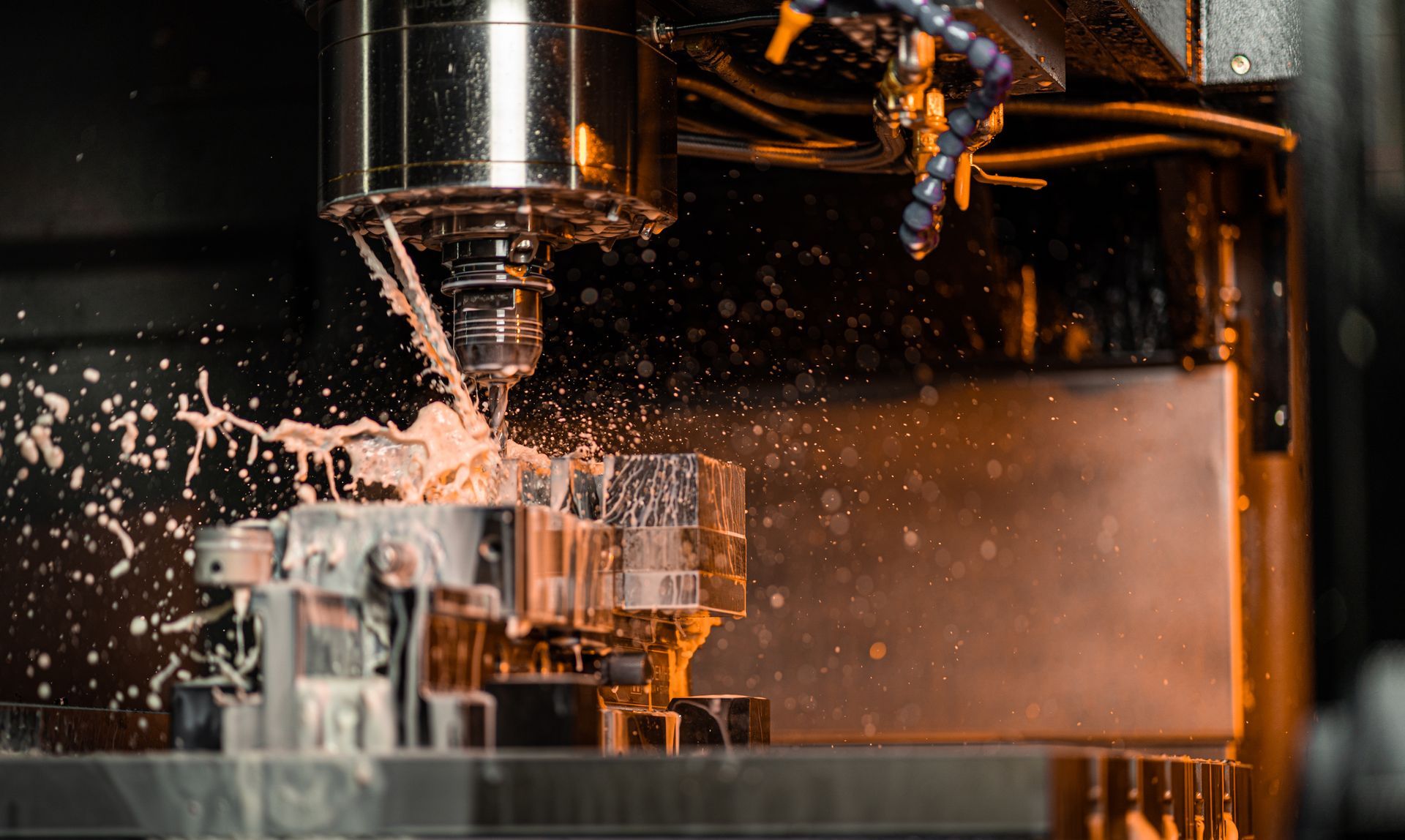
CNC machining (Computer Numerical Control machining) is a subtractive manufacturing process that removes material from a solid block using mechanical cutting tools such as mills, drills, and lathes. The machine follows programmed tool paths to produce highly accurate, three-dimensional parts.
CNC Machining Capabilities
CNC machining is best suited for:
- 3D components with depth and thickness
- Tight tolerances and precision fits
- Structural or load-bearing parts
- Complex geometries and internal features
Common machined features include:
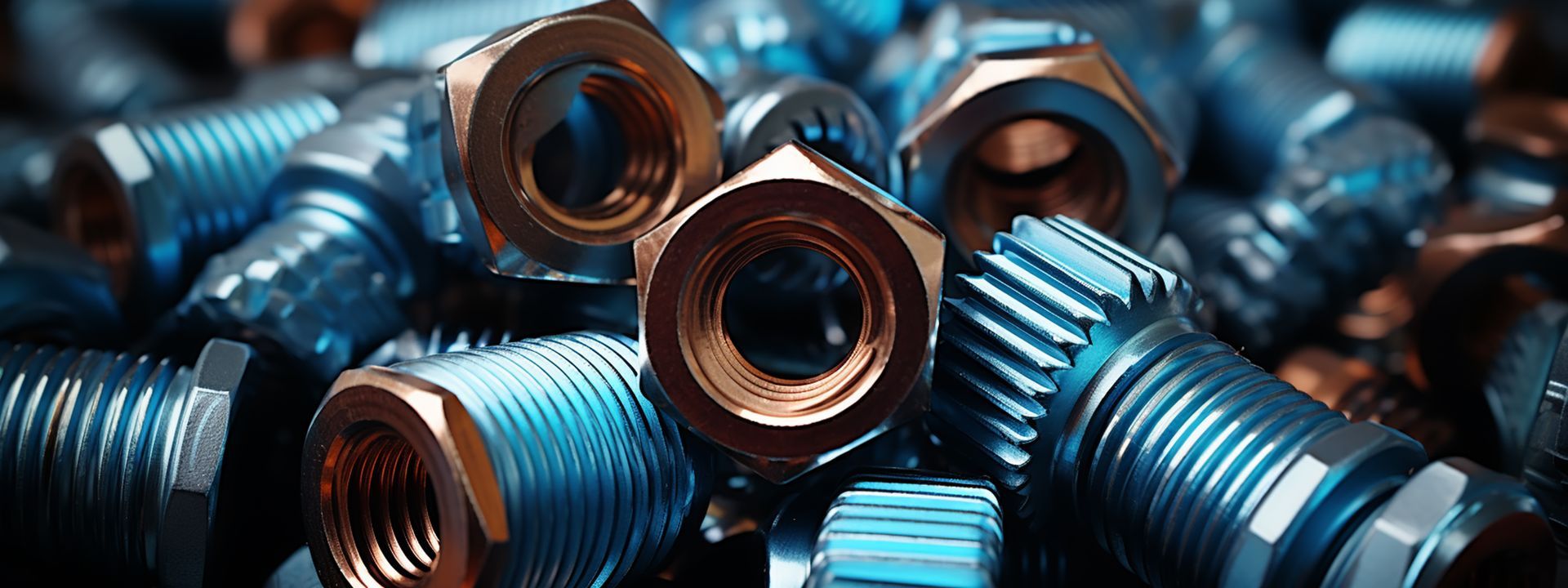
- Threads and tapped holes
- Pockets, cavities, and slots
- Precision mating surfaces
- Chamfers, fillets, and contours
CNC Machining Materials
CNC machining supports a wide range of materials, including:
- Aluminum
- Steel and stainless steel
- Brass and copper
- Engineering plastics (Delrin, nylon, UHMW)
- Specialty and high-strength alloys
If your part must withstand force, align precisely, or function mechanically, CNC machining is typically the best option.
What Is Laser CNC Cutting?
Laser CNC, commonly referred to as laser cutting, uses a high-powered laser to cut material through focused heat rather than physical contact.
The laser melts or vaporizes material along a programmed path, making it ideal for fast and accurate 2D cutting.
Laser CNC Capabilities
Laser cutting is best suited for:
- Flat or sheet-based parts
- Thin to medium material thickness
- Complex 2D outlines and profiles
- High repeatability and fast turnaround
Typical laser-cut applications include:
- Brackets and plates
- Sheet metal components
- Panels, shims, and gaskets
- Decorative or branded metal parts
Laser CNC Materials
Laser cutting commonly works with:
- Steel and stainless steel sheet
- Aluminum sheet (thickness dependent)
- Brass and copper (specialized setups)
- Plastics and acrylics
Because there is no physical tool contact, laser cutting minimizes mechanical stress and eliminates tool wear.
CNC Machining vs. Laser CNC: Key Differences
Manufacturing Method
- CNC Machining: Mechanical cutting
- Laser CNC: Thermal cutting
Part Geometry
- CNC Machining: Full 3D parts
- Laser CNC: Primarily 2D, flat parts
Material Thickness
- CNC Machining: Thin to very thick materials
- Laser CNC: Best for thin to medium thickness
Precision Type
- CNC Machining: Dimensional and functional precision
- Laser CNC: Profile and outline precision
Structural Strength
- CNC Machining: Excellent for load-bearing parts
- Laser CNC: Limited by sheet thickness
Typical Use Cases
- CNC Machining: Functional, mechanical components
- Laser CNC: Sheet-based, profile-cut parts
Accuracy vs. Application
Both CNC machining and laser CNC are highly accurate—but accuracy alone does not determine suitability. CNC machining offers superior control over depth, perpendicularity, and surface relationships, making it ideal for parts that must fit, move, or carry load. Laser CNC excels at precise outlines and intricate profiles, but it cannot create threads, internal cavities, or complex 3D features.
The correct process depends on how the part will be used, not just how accurate it needs to be.
Cost, Speed, and Production Volume
Laser cutting is typically:
- Faster for flat parts
- More cost-effective for simple or high-volume profiles
- Ideal for repeatable sheet metal production
CNC machining is typically:
- Slower per part
- More flexible for design changes
- Better suited for low-to-medium volumes of complex parts
Many projects use both processes together, such as laser cutting a blank and CNC machining precision features afterward.
Which Process Should You Choose?
Choose CNC machining if your part:
- Requires thickness or depth
- Needs threads, pockets, or precision fits
- Must handle mechanical loads
Choose laser CNC if your part:
- Is flat or sheet-based
- Has complex outlines or cutouts
- Requires fast, repeatable production
If you’re unsure, early input from a machining partner can prevent costly revisions later.
Why Choosing the Right Process Matters
Selecting the correct manufacturing method from the start helps:
- Reduce material waste and cost
- Improve part performance
- Shorten lead times
- Eliminate redesigns
Precision manufacturing is as much about process selection as it is about machine capability.
Final Takeaway
CNC machining and laser CNC cutting are complementary technologies, not competitors. Each excels when applied correctly. When your manufacturing partner understands both processes and applies them strategically, you get parts that meet your functional requirements without unnecessary compromise.
Content for MagPie Machining by Minieri & Company, LLC, Copyright © 2019-2025, All Rights Reserved.